

When it comes to building or enhancing your home, choosing the right residential concrete contractor in Texas can make or break your project. Whether you’re looking to install a sleek stamped patio in Austin or a concrete driveway in Dallas, hiring a skilled and reputable contractor ensures that your investment lasts for decades.
But here’s the catch…
Not all concrete contractors are created equal. In this guide, we’ll show you how to find the right residential concrete expert in Texas, one who delivers quality, accountability, and long-term value.
Let’s dive in.
Review Experience with Residential Concrete Work
If you’re searching “residential concrete contractor near me,” you’ll likely be bombarded with options. But here’s a secret most homeowners overlook:
Experience isn’t optional, it’s essential.
A seasoned concrete contractor understands more than just how to mix concrete. They know how to deal with Texas’ unpredictable weather, soil variability, and city-specific regulations.
Key reasons experience matters:
- Local knowledge of permitting and code compliance
- Familiarity with different soil types (clay in Austin, sand in Houston)
- Proven techniques for slab stabilization in extreme heat or flash floods
Tip: Choose a concrete contractor with a minimum of 5 years’ experience in residential concrete work, not just general construction.

Check Insurance and Compliance
Before signing anything, confirm your contractor is insured to perform residential work in Texas. This not only protects your property but ensures the company operates according to state and local construction codes.
Here’s what to ask for:
- Proof of liability insurance and worker’s comp
- Familiarity with ADA regulations and local building codes
- Clear contract outlining scope, timeline, and warranty
A professional residential concrete contractor in Texas should also be familiar with energy codes, soil stabilization methods, and safety protocols.
Review Portfolios and Real References
Before you sign on the dotted line, do your homework.
A legitimate Texas residential concrete contractor should have a detailed portfolio with examples of concrete patios, concrete driveways, stamped and stained concrete, and foundations.
But don’t stop there.
Request:
- Before-and-after photos of their concrete services
- Case studies or stories behind major residential concrete work
- Three or more references you can call
Ask previous clients:
- Was the project completed on time?
- Was the crew respectful and tidy?
- Were there any issues with cracking or drainage?
If a contractor hesitates to share references, run. A confident residential contractor will be proud to connect you with happy clients.
Understand Their Concrete Installation Process
Good concrete work takes more than just pouring.
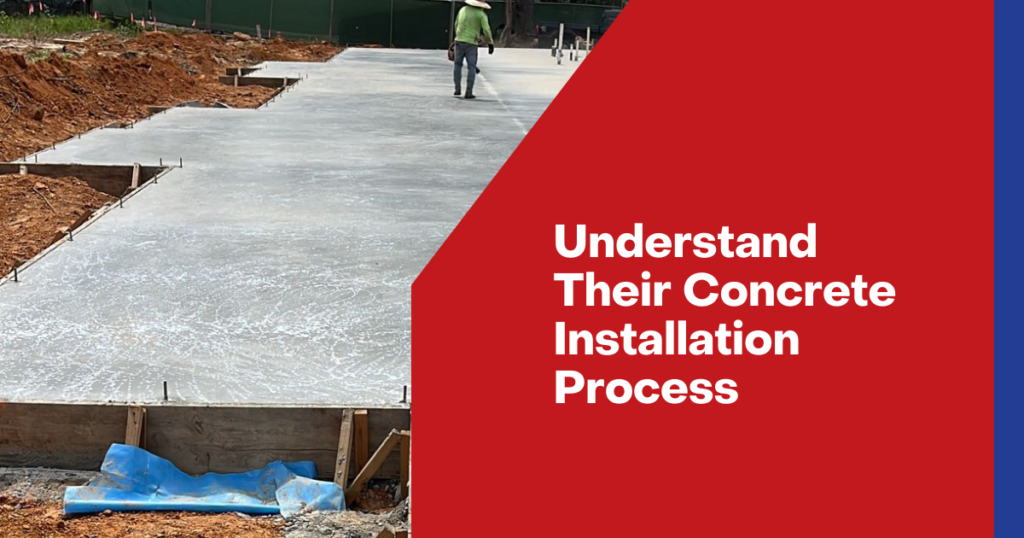
The best residential contractors in Texas follow a methodical, step-by-step process to ensure your slab lasts.
A professional process should include:
- Site Evaluation – Inspecting soil, grading, and drainage
- Forming and Reinforcement – Rebar or wire mesh placement
- Concrete Pouring – Using climate-appropriate mix
- Finishing and Curing – Controlling texture and preventing cracks
- Final Inspection – Ensuring structural and aesthetic quality
A great contractor won’t rush curing time. Concrete gains most of its strength in the first 7 days, but curing properly ensures long-term durability.
Evaluate Their Communication and Professionalism
Ever dealt with a contractor who disappears mid-project? You’re not alone.
Poor communication leads to delays, confusion, and frustration. The best Texas residential concrete contractors maintain consistent updates from quote to completion. Signs of a professional:
- Prompt replies to emails and calls
- Detailed written quotes and contracts
- Clear timelines and expectations
- Updates when weather or delays impact the schedule
If your concrete contractor answers promptly, provides a detailed quote, and respects your time, that’s a strong sign of professionalism.

Compare Bids, But Look Beyond the Price
Here’s where many homeowners get trapped… They choose the cheapest bid and end up paying double later for repairs, fixes, or rework.
Instead, evaluate each quote based on:
- Materials quality (reinforced vs. basic concrete)
- Finishing options (brushed, sealed or stamped concrete)
- Warranty length and clarity
- Project timeline and crew size
- Cleanup and disposal included?
A professional concrete contractor in Texas will offer a transparent estimate that breaks down labor, materials, and additional concrete services. Cheap bids often skip crucial steps, like compaction or curing, that affect long-term performance.
Consider Decorative, Stamped and Stained Concrete
Want your outdoor space to stand out? Look for a contractor skilled in decorative concrete techniques, like:
- Stamped concrete that mimics stone or tile
- Stained finishes in earthy or modern tones
- Concrete decksfor your outdoor areas
These finishes require an artist’s touch and technical precision, especially under Texas heat. Custom finishes can even boost your home’s curb appeal and resale value.

Safety and Cleanup Protocols
Concrete work involves heavy machinery, materials, and site hazards. A professional residential concrete contractor will have clear safety protocols for both crew and property protection.
Ask about:
- PPE (personal protective equipment) use
- Site barriers and clean work zones
- Post-job site cleanup
A crew that takes pride in leaving the site spotless likely takes pride in the quality of their concrete services, too.
Warranty and Aftercare
Concrete is durable, but only if it’s maintained correctly.
Choose a contractor who:
- Offers a written warranty on labor and materials. A solid warranty shows confidence in the result and gives you peace of mind.
- Provides aftercare instructions (cleaning, sealing, weather protection)
- Advises on how to avoid damage from salts, freezing, or overloading
Want your concrete to look great for years? Seal it every 2–3 years and avoid de-icing salts that can damage the surface. Maintenance matters just as much as installation for concrete driveways and concrete patios.
Questions to Ask Before Signing with your Residential Concrete Contractor
Before you make your final decision, ask potential residential contractors:
- How long have you worked in Texas?
- Do you manage permits and inspections?
- Can you walk me through your process?
- What’s your payment schedule?
- Do you offer warranties in writing?
If any contractor hesitates to answer, or avoids documentation, move on. Professional contractors welcome informed clients.
Bonus: What’s Next for Residential Concrete in Texas?
As we look ahead, 2026 is shaping up to be a pivotal year for residential concrete contractors in Texas. Following a year of inflationary pressures and a cautious housing market, the landscape is beginning to shift, and smart homeowners and contractors are watching closely. So, what should you expect?
Rebound in Residential Demand
Thanks to easing mortgage rates and growing migration into Texas suburbs, residential construction is projected to accelerate in 2026. Affordability is improving, especially for mid-tier and custom home builds, which means more driveways, patios, and foundations will break ground.
Permit volumes in areas like Dallas–Fort Worth and Williamson County are expected to lead the charge, continuing their upward trend from 2025.
Technology is Changing the Pour
Advanced tools like volumetric mixers, on-site quality control sensors, and AI-powered project management are quickly becoming standard in high-performance residential projects. These technologies are helping Texas contractors:
- Reduce waste
- Improve accuracy
- Speed up project timelines
- Minimize weather-related errors
Challenges Remain, But Opportunities Are Growing
Labor shortages will likely persist, particularly in skilled trades like concrete finishing. At the same time, material prices, especially for cement, are expected to remain volatile. However, contractors who invest in workforce development and smarter sourcing will come out ahead.
Why Homeowners Across Texas Trust Xativa Construction
For over a decade, Xativa Construction has been helping homeowners across Houston, Austin, Dallas, and San Antonio build concrete patios, driveways, and foundations that truly last.
Here’s what sets Xativa apart:
- End-to-End Project Execution – From design to pour to finish.
- On-Time, On-Budget Delivery – We prioritize efficiency and clear communication.
- Premium Materials and Safety Standards – Every mix and every crew meets or exceeds industry standards.
- Experienced Team – Our foremen and field leaders are industry veterans who get it right the first time.
Whether you’re designing a custom patio, repairing a cracked driveway, or adding a new foundation, Xativa Construction is the residential concrete contractor Texas homeowners trust.
FAQ: Choosing a Residential Concrete Contractor in Texas
1. How much does a residential concrete project cost in Texas?
A residential concrete project in Texas typically costs between $8 and $18 per square foot. The final price depends on the project’s size, location, and finish type (e.g., stamped and stained concrete).
2. What’s the difference between rebar and wire mesh in concrete reinforcement?
Rebar offers higher strength and is ideal for supporting heavy loads, such as in driveways. Wire mesh is a less expensive option used for lighter applications like concrete patios and walkways.
3. How long does concrete take to cure in Texas?
Concrete sets within 24 to 48 hours, but it needs about 28 days to fully cure. Full curing ensures the concrete reaches its maximum strength and durability.
4. What is the best time of year to pour concrete in Texas?
The best time to pour concrete in Texas is during spring or fall, when temperatures are moderate. Avoid extreme heat or freezing conditions, which can negatively affect curing.
5. Should I seal my concrete patio?
Yes, sealing a concrete patio protects it from moisture, stains, UV damage, and cracking. It’s recommended to reseal every 2–3 years for long-term durability and appearance.
Concrete Done Right, The Texas Way
Choosing the right residential concrete contractor in Texas doesn’t have to be overwhelming, but it does require due diligence.
Look for experience, communication, professionalism, and proven results.
Ready to start your project?
👉 Get a free quote at xativaconstruction.com/contact